
FOOD & NUTRITION
CARAMELS

Caramel colour is an additive mainly used in the food industry to add or intensify brown colours.
– Brandies
– Coffee extracts
– Pet-foods
– Special breads
– Vermouths
– Soft drinks, Beer
– Pet-foods
| Shade of colour | Sulphite compounds | Amoniacal compounds | Characteristic caramelisation promotor | Colloidal charge | Stability: – Alcohol – Tannin – Acid | Main uses | |
| Class I E150a |  |
no | no | Soda/or not | weak | + – – | – Brandies – Coffee extracts – Pet-foods – Meat – Special breads |
| Class II E150b |  |
yes | no | Soda sulphite | negative | + + – | – Vermouths – Brandies – Aromatic extracts |
| Class III E150c |  |
no | yes | Ammoniac | positive |
– – + |
– Beer – Malt vinegar |
| Class IV E150d |  |
yes | yes | Ammonium sulphite | negative | – + + | – Soft drinks – Pet-foods |
We offer a range of organic caramels which comply with EU and American (NOP) regulations, Kosher orHalal certified caramels and a range of caramels fair trade certified.
Liquid
Powder

Caramel Specialties are obtained by the controlled heat treatment of food sugars together with other ingredients (milk, butter, fruit extracts, honey, malt, chocolate, vegetable fat)which give a distinctive taste and/or special texture to the final product.
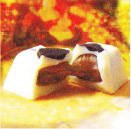
These ingredients give the following specific aspects to our caramels such as coating, filling, inclusion, ripple, topping
| TYPE | MILK CARAMELS | AROMATIC CARAMELS WITH BUTTER | CHOCOLATE CARAMELS | CARAMELS WITH MALT | CARAMELS WITH FRUIT EXTRACTS | CARAMEL FILLINGS |
| INGREDIENTS ADDED | Milk | Butter Salt butter | Chocolate | Malt extracts | Apples, Oranges, Grappe… | One or several of the above mentioned ingredients and vegetable fat |
| CHARACTERISTIC | – Toffee taste thanks to the caramelisation of milk and sugars. – “Very warm” colour – Typical taste of milk caramel confectioneries | – Typical taste of caramel confectioneries with butter | – Roasted Flavor enhancer caramelized chocolate | – Taste of caramelised malt | – Typical taste of caramelised fruit juice: Tatin apple, crystallized oranges, currants. | – Dedicated texture, heat resistant and usable under cold temperatures |
| USE | – Ready to use caramel for coating – Ice-creams – Dairy desserts: mixed in the blend to aromatize or as coating | – Ready to use caramel for coating – Ice-creams – Dairy desserts: mixed in the blend to aromatize or as coating | – Ready to use caramel ( for topping) – Ice-creams – Dairy desserts: coating or mixed in the blend) | – Brewery specialties – Cereal based products | – Ready to use caramel fo r coating – Ice-creams – Dairy desserts: Dairy desserts: mixed in the blend to aromatize or as coating – Pastries – Aromas | – Can be used in chocolates and biscuits thanks to controlled humidity – Ice-creams – Pastries – Chocolate bars, cereal bars |
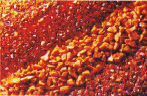
Flakes
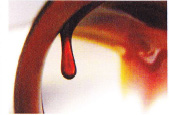
Liquid
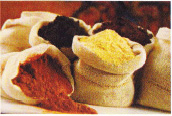
Powder
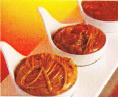
Paste

Aromatic caramels are the caramels anyone can make in their kitchen or any confectioner makes in his cauldron.
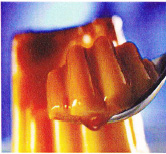
– Dairy products (coatings or mixed in theblend)
– Ice creams
– Flavour bases
– Pastry and pastry cases
– Sauces, ready meals
– Aperitifs, liqueurs, brandies…
| TYPE | BLOND AROMATIC CARAMELS |
STANDARD AROMATIC CARAMELS |
BROWN AROMATIC CARAMELS |
STRONG BROWN AROMATIC CARAMELS |
BURNT SUGARS |
| COLOUR At 520 nm |
0.5 up to 2.4
EBC Colour: |
2.5 up to 4.4
EBC Colour: |
4.5 up to 8.4
EBC Colour: |
8.5 up to 30
EBC Colour: |
31 up to 200
EBC Colour: |
| USE | – Ice-creams – Jellified milks – desserts cream |
– Mainly used in topping |
– Ready used pure because of their strong taste |
– Used in bakery to give typicality for instance |
– Bread – Ready meals |
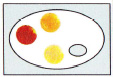
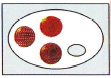
NB: A caramel with 900 EBC of colouring power is ten time more colouring than 90 EBC caramel, but its taste will not be 10 time stronger, it will have different flavour notes according to the recipe
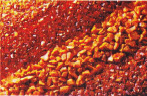
Flakes
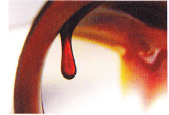
Liquid
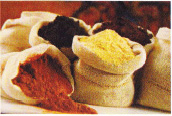
Powder
We offer a range of organic caramels which comply with EU and American (NOP) regulations, Kosher orHalal certified caramels and a range of caramels fair trade certified.