
FOOD & NUTRITION
SORBITOL
Sorbitol, also known as D-sorbitol, D-Glucitol or D-gluco hexanehexol, is a hexahydric sugar alcohol. Sorbitol is commercially manufactured by the high-pressure hydrogenation of dextrose solutions using a nickel catalyst. Sorbitol is a Lyophilic, non-toxic, non-irritant, stable and chemically inert, resistant to heat, resistant to acid and is non-fermentable by microorganisms.
| Bulking Agent | Sequestrate |
| Low Calorie Sweetener | Texturizing Agent |
| Humectant | Retains Moisture |
| Stabilizer | Chelating Property |
| Cooling Agent | Prevents Browning of Food |
| Plasticity | Viscosity |
Sorbitol is a Versatile Polyols from the range of Polyols & is widely used in oral care, pharmaceuticals, paints, industrial application, soaps, food and confectionery etc.
- PharmaceuticalsLiquid SyrupsSorbitol enhances palatability, promotes absorption and has good bodying characteristics. It retards loss of moisture and improves stability of solutions. It is used in Amino acid, Vitamin B12, Vitamin C, Liver tonic and ferrous Gluconate Aqueous preparations.
- Oral Care & CosmeticsSorbitol is used in cosmetics & oral care due to its functional characteristics: Plasticizing, Humectant, Sweet taste, Solubility, Microbial Stability, Clarity, Color stability.
- Toothpaste – Prevents drying, gives good consistency, plasticity and is non-carcinogenic, enhances cooling effect.
- Mouthwash: – Good bodying agent, highly resistant to fermentation by micro-organisms.
- c. Creams, Ointments, Lotions, Shaving creams, Body milks, Moisturizing creams, Liquid Soaps, Shampoos, Hair-dressings, Hair sprays, Deodorant sticks, Emulsifying fragrances – Sorbitol acts as a moisturizer, stabilizer, plasticizer. Ensures uniformity of application of creams and prevents “rolling”. Reduces the grazing after effect, increases the adherence of make-up, acts as a binder and an emollient, is non-irritating to the skin and improves lubricity.
- Food & Beverage Industry
- Candies – Maintains freshness, improves shelf life, imparts pleasant cooling taste and reduces dental caries. Toffee, Soft & Hard Caramels, Jellies, Milk Chocolate, Fruit Jams remain dry and un-crystallized, gives a good mouth feel.
- Energy drinks / Diet Chocolates – Nutritional supplement in place of sugar.
- Biscuits Cakes & Pastries – Prevent products such as fruit cakes, macaroons and madeleins from drying out. Improves the taste and rancidity, thus increasing the product shelf life
- Chewing Gums – Softens gum base and gives cool sweetness, reduces dental carries, acts as a low calorie sweetener.
- Yeast – Prevents mould growth.
- Enzymes (Freeze-dried and solution) – Stabilizing Agent.
- Ice Creams – Lowers freezing point making them softer and easier for scooping. It also inhibits recrystallization.
- Fish, Surimi & Meat Products – Use of Sorbitol in fish products optimizes the preservation process by preventing the denaturation of protein fibers. It also does not cause browning, as is the case with sugar.
- Beer and other Beverages – Improves dryness, crumbliness and spread ability.
- Synonyms: D-Glucitol
- CAS No.: 50 – 70 – 4
- E Number: E 420
- Color Code: Orange
- Molecular Weight: 182.17
- Molecular Formula: C6H14O6
- Boiling Point: 105°C
- Calories per Gram (dry Basis): 2.6
- Sweetness: 60 % of Sucrose
AKA corn syrup or glucose syrup is obtained by the enzymatic conversion of starch at 105°C temperature. Presence of Dextrin slows the crystallization process. Other than food products, liquid glucose has pharmaceutical and other usages as well. For example, it is used in tablet coatings and vitamin based tonics. Other than that, tobacco industry uses liquid glucose to attribute flavor, texture and stability of cigarettes and chewing tobaccos; whereas the leather industry makes use of liquid glucose during the tanning process to add volume to the leather.
Liquid Glucose
AKA corn syrup or glucose syrup is obtained by the enzymatic conversion of starch at 105°C temperature. Presence of Dextrin slows the crystallization process. Other than food products, liquid glucose has pharmaceutical and other usages as well. For example, it is used in tablet coatings and vitamin based tonics. Other than that, tobacco industry uses liquid glucose to attribute flavor, texture and stability of cigarettes and chewing tobaccos; whereas the leather industry makes use of liquid glucose during the tanning process to add volume to the leather.
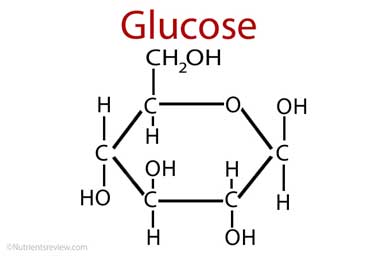
Chemical formula
C6H12O6
Liquid Dextrose
Dextrose is a crystalline sugar derived from starch & used as a nutritive sweetener. Liquid dextrose applications are usually added for fermentation and in the production of enzymes.
High Maltose Corn Syrup (HMCS)
This is designed to be an additive sweetener and a preservative. These contain over 50% maltose, or even over 70% maltose (extra-high-maltose syrup). Usually used as a substitute for normal glucose syrup in the production of hard candy, frozen desserts and in brewing as it has a balanced ferment ability. HMCS preserves food by restricting fermentation and bacterial growth.
Applications: Canned fruits, jams, jellies, table syrups, toppings, confections, wine
High Fructose Corn Syrup (HFCS)
Fructose is a sugar that is found in fruit and honey in its natural state. HFCS is a sweetener made from cornstarch that has been processed by glucose isomers to convert some of its glucose into fructose. It contains fructose as its major sugar.
Applications: carbonated beverages, ice creams, cured meats, chocolate milk, bakery products, wine, pickles, jams, jellies, fruit drinks etc
This is the primary ingredient for making corn oil and one of the important additives of animal fodder. Corn germ is a unadulterated source of considerable essential nutrients namely folic acid, phosphorus, thiamin, zinc, and magnesium, essential fatty acids, fatty alcohols and fiber. It also contains an extensive range of amino acids and is enriched with vitamin Е (tocopherol), beta-sitostiron and phytin.
Corn Germ
This is the primary ingredient for making corn oil and one of the important additives of animal fodder. Corn germ is a unadulterated source of considerable essential nutrients namely folic acid, phosphorus, thiamin, zinc, and magnesium, essential fatty acids, fatty alcohols and fiber. It also contains an extensive range of amino acids and is enriched with vitamin Е (tocopherol), beta-sitostiron and phytin.
Corn Gluten
Also known as an organic herbicide, it is a byproduct of corn milling process. This natural protein is ideal as plant food. Corn gluten products present a non-toxic, yet effective alternative to traditional, chemical-based feed products & for weed control in gardens and pathways.
Corn Fiber
Corn fiber is produced through the enzymatic hydrolysis of cornstarch. A low viscos product is water soluble and stable under heat. Corn fibers are present in extensive variations of prepared foods, beverages, condiments, cereals, baked goods, candy, dairy products, frozen foods, soups, salad dressings, fruit drinks, carbonated beverages, meal replacement drinks, and flavored water.